



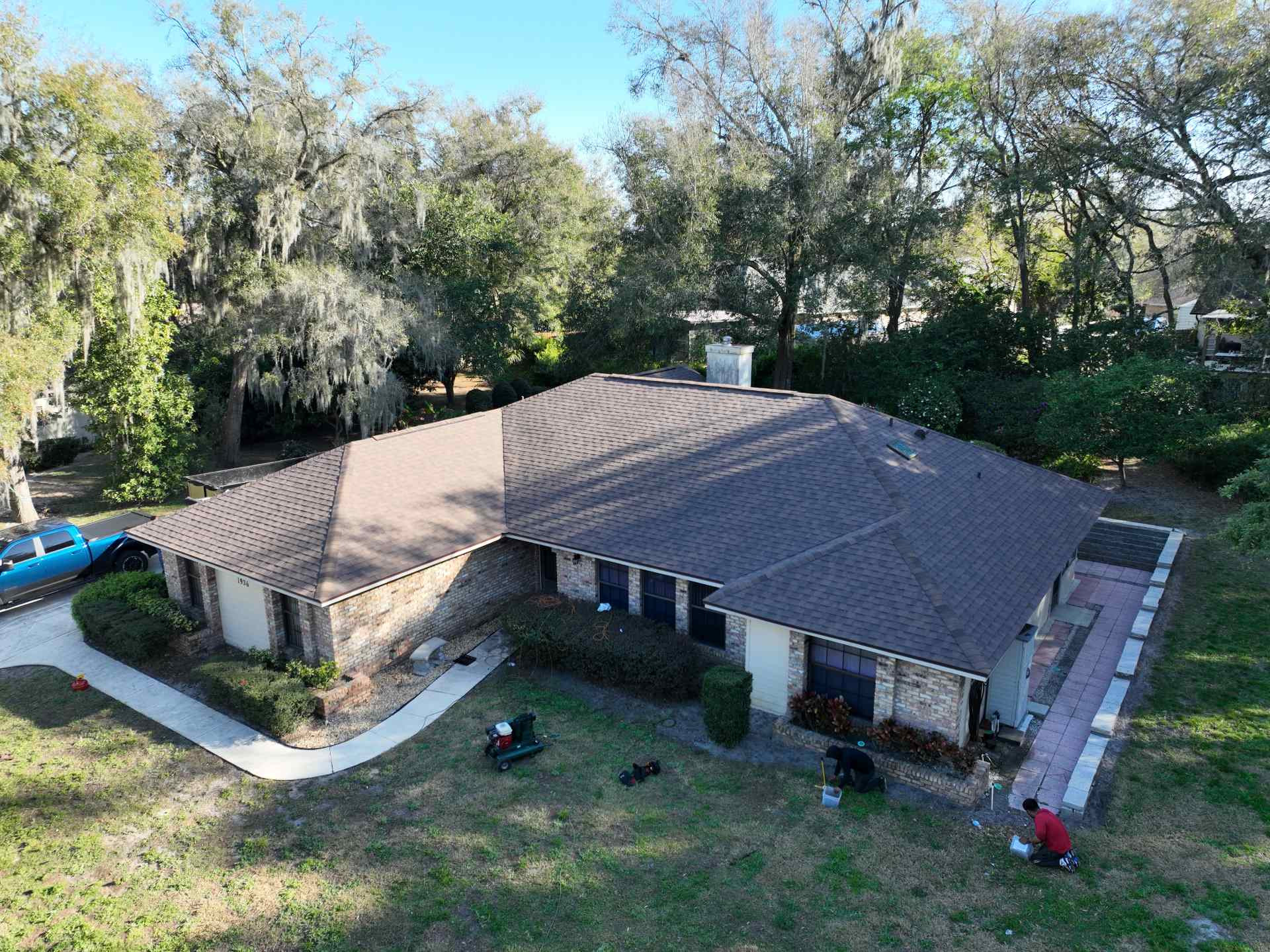

Tree coverage is a common feature around many homes in Apopka, FL, and it’s easy to see why. Trees offer natural shade, lower energy bills, and boost curb appeal. But while they may look beautiful, overhanging branches and dense canopies can quietly cause serious roofing issues if left unmanaged.
At DeSantis Roofing Inc., we’ve worked with countless Apopka homeowners who didn’t realize how much damage their trees were doing until leaks or visible wear appeared. In this post, we’ll explore how trees can affect your roof and what you can do to protect your home long-term.
1. Overhanging Branches Can Damage Shingles
Branches that stretch over or touch your roof pose a direct threat, especially during storms. High winds can cause them to whip back and forth, scraping against shingles or even breaking off and falling. These impacts can dislodge shingles, damage flashing, or dent roofing materials.
Even without a storm, constant abrasion from small branches can wear away the protective layer of asphalt shingles. Over time, this reduces their effectiveness and shortens your roof’s lifespan.
What to do:
- Trim back all branches so they’re at least 6–10 feet from the roof.
- Hire a certified arborist or tree service annually.
- After storms, check for new limbs hanging too close.
2. Leaves and Debris Trap Moisture
Fallen leaves might seem harmless, but when they accumulate on your roof or in your gutters, they hold moisture. This trapped moisture creates a damp environment ideal for mold, algae, and rot.
In humid areas like Apopka, moisture doesn’t dry quickly — especially under shady tree canopies. That can lead to gradual deterioration of both shingles and underlayment.
Signs of trouble:
- Streaks or dark patches on the roof (signs of algae)
- Overflowing or sagging gutters
- Moss growing on or under shingles
3. Moss and Algae Thrive in Shady Spots
Tree coverage limits direct sunlight, which increases the chances of moss and algae growth — especially on the north-facing side of your roof. Moss holds moisture and grows in between shingles, which can lift or separate them, exposing your roof deck to water damage.
Algae, on the other hand, usually appears as black streaks. While not as damaging structurally, it makes your roof look older and may reduce energy efficiency by absorbing more heat.
What helps:
- Install zinc or copper strips near the ridge to prevent growth.
- Use safe, biodegradable roof treatments once or twice a year.
- Schedule regular roof cleanings if algae or moss becomes visible.
4. Tree Roots Can Disrupt Drainage Systems
Roots from nearby trees can interfere with underground drainage systems. If roots block or crack pipes connected to your downspouts, water can back up and pool on your roof or near your foundation. That can lead to leaks, wood rot, or even mold growth in the attic.
Watch for:
- Standing water at the base of downspouts
- Overflowing gutters even after cleaning
- Erosion around the home’s perimeter
If you’re not sure whether your drainage system is working correctly, a local roofer or plumber can assess and fix the issue.
5. Trees Provide Access for Pests and Wildlife
Low-hanging limbs give squirrels, raccoons, and other critters easy access to your roof. Once they get there, it’s not uncommon for them to chew through vents, enter attics, or damage insulation and wiring.
These animals also bring nesting materials that can clog gutters or trap even more moisture on your roof.
Preventative tips:
- Keep limbs trimmed well away from the roofline.
- Install screens over attic vents and chimneys.
- Seal gaps and check regularly for signs of nesting.
The Florida Factor: Why Apopka Roofs Need Extra Care
In Apopka, the warm, humid climate combined with seasonal storms makes roofs especially vulnerable to damage from nearby vegetation. Trees grow quickly here, and without consistent trimming, what starts as a beautiful canopy can become a major liability.
When branches, roots, debris, and shade all work together, the risk of roof damage increases significantly — especially on older roofs or homes that haven’t had a recent inspection.
That’s where DeSantis Roofing Inc. comes in. As local roofing professionals in Apopka, we understand the unique weather patterns and landscape concerns that Florida homeowners face. We offer inspections, maintenance, and repairs that help keep your roof in peak condition, no matter how many trees surround your home.
How to Enjoy Trees Without Risking Roof Damage
Don’t worry — we’re not telling you to cut down every tree near your home. Trees offer undeniable benefits when properly maintained. The key is to create a balance between landscape beauty and roof protection.
Here’s how to do that:
- Trim back trees regularly, or hire a pro to do it for you.
- Clean gutters at least twice a year, or install gutter guards.
- Schedule annual roof inspections to catch issues early.
- Remove moss and algae with safe treatments before they spread.
- Monitor attic ventilation and drainage systems near large trees.
Partner with a Local Roofing Expert
Whether you’ve noticed mold on your roof or just want peace of mind before the next storm season, DeSantis Roofing Inc. is here to help. We’ve served Apopka homeowners for years with trusted, local expertise and professional service.
To learn more about how we can protect your roof, visit our home page or schedule a free consultation with our team today.
Conclusion
Trees are a beautiful part of your Apopka property — but they come with responsibilities. Understanding how tree coverage can affect your roof is the first step toward preventing costly repairs. With the right maintenance plan and help from a trusted local roofer like DeSantis Roofing Inc., you can enjoy the shade without sacrificing your roof’s integrity.