



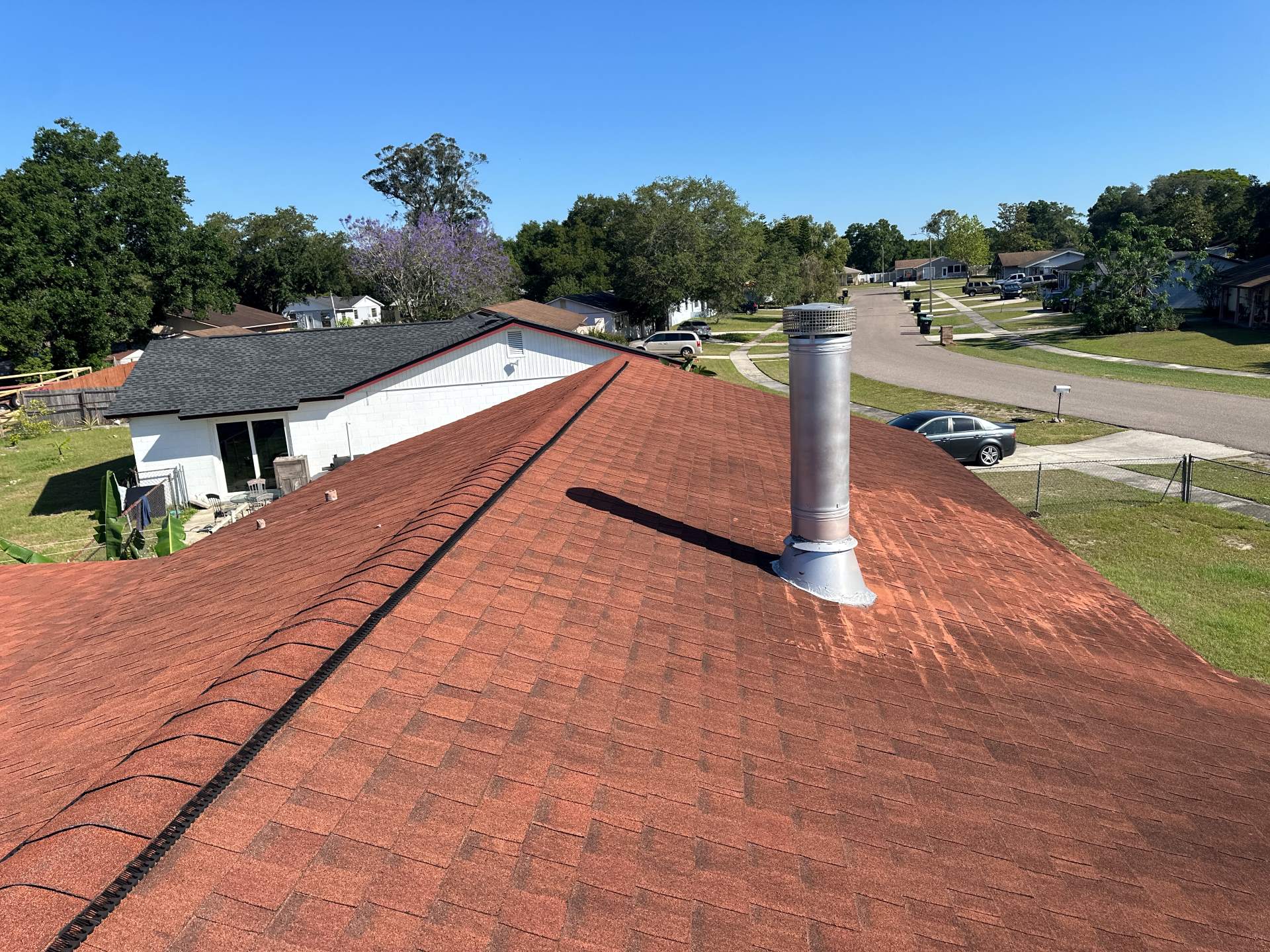

Florida’s climate can be paradise, but it’s also one of the harshest environments for residential and commercial roofing. From intense UV rays and heavy rainfall to hurricane-force winds and high humidity, the Sunshine State’s weather can significantly reduce the lifespan of your roof if not properly managed. In this article, we’ll break down exactly how Florida’s weather impacts your roof, what signs to look for, and how to extend the life of your roofing system.
Why Florida Weather Is So Hard on Roofs
Florida isn’t just hot — it’s relentlessly humid, storm-prone, and exposed to salt air in coastal regions. Each of these factors plays a role in shortening roof life if you’re not proactive about maintenance and material selection.
1. Intense Heat and UV Exposure
Roofs in Florida endure intense sunlight year-round, with UV radiation slowly breaking down roofing materials like asphalt shingles, underlayment, and flashing. This leads to:
- Cracking and blistering of shingles
- Fading and discoloration
- Warping of underlayment and protective layers
Tile and metal roofs perform better under UV exposure, but even they can degrade over time without regular maintenance.
2. Humidity and Moisture Buildup
High humidity means constant moisture in the air, which can seep into roofing materials over time. This encourages:
- Mold and mildew growth
- Wood rot in decking and fascia
- Rust on metal components
It’s essential to have a well-ventilated attic and proper flashing to prevent moisture buildup under the roof system.
3. Heavy Rains and Tropical Storms
Florida averages 60+ inches of rain annually. Combine that with sudden afternoon storms and hurricane downpours, and your roof must withstand heavy water loads frequently. Risks include:
- Leaks due to overwhelmed drainage systems
- Damaged seals and flashing
- Shingle loss or displacement during high winds
Roofing systems in Florida must meet strict codes to handle wind uplift and water penetration, especially in hurricane-prone regions.
4. Hurricanes and High Winds
The Atlantic hurricane season runs from June through November. Homes in Central Florida, including Apopka, are often impacted by high wind speeds, flying debris, and torrential rain. These storms can:
- Tear off shingles or entire sections of the roof
- Loosen gutters and downspouts
- Cause impact damage from tree limbs or debris
Modern roofing codes require stronger fastening methods and more wind-resistant materials, but no system is hurricane-proof.
5. Salt Air Near the Coast
If you’re within 10-15 miles of the coastline, salt in the air can accelerate corrosion on metal roofing, fasteners, and vents. Coastal properties require:
- Marine-grade sealants and fasteners
- Regular inspection for rust or pitting
- Preventative coatings on exposed metal
Even inland cities like Apopka may see occasional effects from salt carried during tropical storms or hurricanes.
Signs Your Roof May Be Suffering from Weather Damage
Living in Florida, it’s crucial to inspect your roof regularly. Here are common signs your roof might be wearing down due to climate stress:
- Curling or missing shingles: Often caused by wind uplift or UV degradation.
- Black streaks or algae growth: Caused by constant humidity and organic matter.
- Water stains on ceilings: May signal leaks or failing underlayment.
- Granule loss in gutters: Indicates shingles are aging or being damaged by UV and wind.
- Soft spots or sagging: Could suggest rot due to moisture infiltration.
If you notice any of these issues, it’s time to contact a local roofing expert to evaluate the damage before it gets worse.
Roofing Materials That Perform Best in Florida
Choosing the right material can greatly extend your roof’s lifespan despite the harsh climate:
- Architectural Shingles: Thicker and more durable than traditional 3-tab shingles.
- Metal Roofing: Reflects heat, resists wind, and can last up to 50 years with proper care.
- Clay or Concrete Tile: Heavy and wind-resistant, ideal for hot climates.
- Flat Roofing Systems: Popular for commercial buildings, often include reflective or waterproof coatings.
No matter the material, regular inspections and maintenance are key.
Tips to Extend the Life of Your Roof in Florida
Here are proactive ways to protect your roofing investment in Florida’s demanding climate:
- Annual Inspections: At least once a year, and always after major storms.
- Proper Ventilation: Keeps attic spaces dry and reduces heat buildup.
- Gutter Maintenance: Clears blockages and reduces water pooling on the roof.
- Sealant Touch-Ups: Check caulking and flashing yearly.
- Tree Trimming: Reduces debris buildup and branch impact risks during storms.
You can also ask your local roofing company about impact-resistant materials and additional storm protection upgrades.
When to Consider a Roof Replacement
Even with great care, Florida’s climate eventually takes its toll. It may be time to consider a replacement if:
- Your roof is over 15–20 years old
- You’ve had repeated repairs or leaks
- Shingles are missing or deteriorated
- Your energy bills are increasing due to poor insulation
Replacing a roof may seem like a big investment, but it can increase your home’s resale value and provide peace of mind during storm season.
If you’re in Apopka, FL or surrounding areas and wondering about the condition of your roof, DeSantis Roofing Inc offers professional roof inspections and expert advice. Call 321-501-6220 to schedule a consultation today.
Final Thoughts
Florida’s weather is beautiful, but it comes at a cost for your roof. Understanding the effects of UV rays, humidity, storms, and salt air can help you take better care of your home and avoid costly repairs. A roof isn’t just a protective barrier — it’s your first line of defense in Florida’s extreme climate. Stay proactive, stay protected.