321-501-6220


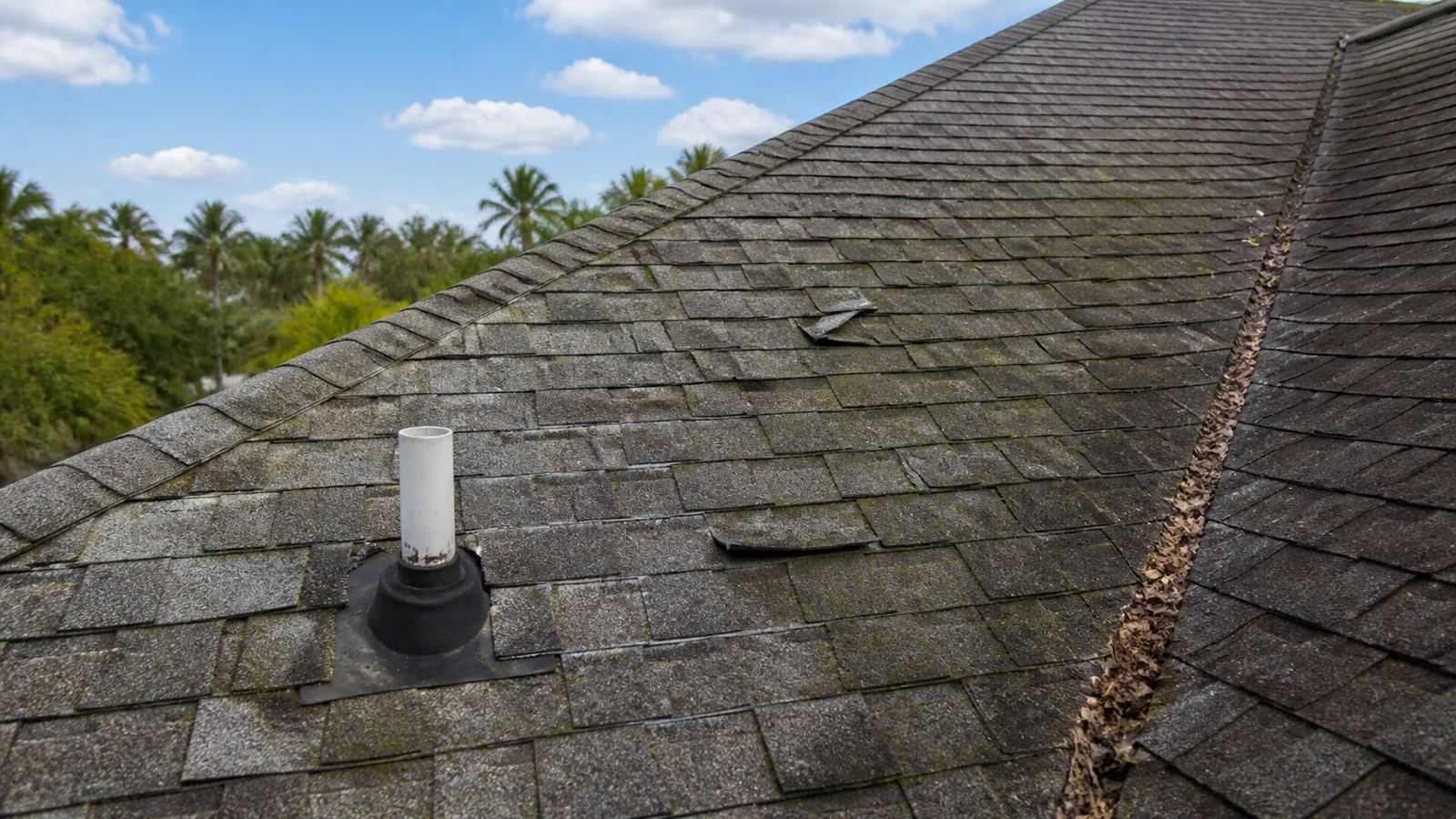
A roofing problem may first appear as a ceiling stain, a shifted tile, an overflowing gutter, dark streaks, or a roofline that no longer looks even. Stay off the roof and document the change from a safe place. Active water, a sagging ceiling, fallen material, or an electrical hazard calls for prompt action. Other changes still deserve an inspection before a small, local issue affects more of the roof or home.
The right response depends on what changed, how widespread it is, and what the roof assembly looks like beneath the surface. A ground-level observation can help you explain the problem, but it cannot confirm the cause or repair scope.
Start With Safety and Urgency
Keep people and pets away from a sagging ceiling, fallen tree limb, loose exterior material, or standing water near electrical equipment. If water is entering near a light fixture, outlet, appliance, or electrical panel, do not touch the wet area or equipment. Contact the appropriate emergency service or utility when there is an electrical, gas, fire, or structural hazard.
For a roof concern without an immediate hazard, take a wide photo of the affected side of the home and a closer photo of the visible change. Note when it appeared, whether rain or wind was involved, and whether the condition is growing. Use binoculars or camera zoom rather than a ladder or a walk on the roof.
Ceiling Stains, Drips, and Damp Drywall
An indoor stain confirms that moisture reached the finished space; it does not reveal the entry point. Water can move along decking, framing, pipes, or other surfaces before it reaches the ceiling. Plumbing, HVAC equipment, windows, and condensation can also create marks that resemble a roof leak.
Record whether the stain appears during every rain, only during wind-driven rain, or during dry weather. Mark the outside edge of a dry stain lightly with the date so you can see whether it grows. A roofer can compare that timeline with roof geometry, penetrations, flashing, drainage, and accessible attic conditions.
If water is entering now, follow the safety steps in What to Do When Your Roof Leaks During a Florida Storm. For a closer look at likely entry areas, see Common Causes of Roof Leaks in Florida Homes.
Missing, Shifted, or Cracked Roofing
Wind, impact, aging, foot traffic, and earlier work can affect shingles, tiles, metal panels, or membranes. From the ground, you may see a missing shingle, a slipped or cracked tile, a raised edge, loose metal trim, or roofing fragments in the yard.
Avoid moving or reseating the material yourself. Tile can crack under foot, wet roofing can be slippery, and lifting one component may disturb the surrounding waterproofing. Photograph the location and arrange an evaluation, especially when the change appeared after severe weather or water has entered the home.
A visible defect may support a focused repair, but the surrounding material and the layers below it still matter. The person preparing the scope should explain what will be removed, what will be replaced, and how the repair will connect to the existing roof.
Loose Flashing and Problems Around Roof Openings
Flashing helps direct water around walls, chimneys, skylights, valleys, roof edges, and penetrations such as plumbing vents. A gap, displaced piece of metal, failed boot, or aging seal can create a water path even when the main roof covering looks intact.
Watch for staining below a wall intersection, moisture near a skylight, or a change around a vent that you can see from the ground. A smear of surface sealant is not enough information to judge the condition. Ask which flashing or penetration is involved and whether surrounding roofing must be opened so the repair can be integrated correctly.
Overflowing Gutters and Slow Drainage
Leaves, twigs, roofing debris, and displaced gutter sections can interrupt drainage. During rain, look from a protected location for water spilling over the front edge, running behind the gutter, or discharging next to the foundation. After the rain, note any detached downspout or persistent staining on fascia and soffit.
Low-slope roofs use drains or scuppers rather than relying only on a steep pitch. Water that remains after rainfall can point to blocked drainage, settlement, or another condition that needs evaluation. Do not walk onto a wet roof or push standing water toward an opening you cannot identify.
Have accessible gutters and downspouts cleared by someone who can do the work safely. If overflow continues after debris is removed, the gutter alignment, outlet capacity, roof edge, or drainage design may need a closer look.
Dark Streaks, Algae, and Surface Changes
Brown or black roof discoloration may be algae, dirt, soot, tree debris, or another surface condition. Color alone cannot tell you whether the roof is leaking or whether material underneath has deteriorated.
Skip pressure washing and unapproved coatings. High pressure can damage roofing, and manufacturers may restrict treatments applied to installed shingles. Identify the roofing material first, then use the manufacturer’s cleaning guidance or ask a qualified contractor which method fits the roof.
Treat a cosmetic concern and a performance concern as separate questions. Ask what caused the discoloration, whether cleaning is appropriate, and whether any cracked, loose, or deteriorated material is present.
Uneven Rooflines, Soft Areas, and Deck Concerns
A dip, bow, or change in the roof plane deserves prompt professional review. The cause may involve the roof deck, framing, moisture, or an older construction detail. Ground-level photos can establish where the change appears, but no one should diagnose a structural condition from a picture alone.
Do not test an area by walking on it or pushing from inside the attic. Keep out of rooms below a visibly sagging ceiling or roof area. A roofer may need to coordinate with a structural professional when the framing or deck appears affected.
Loose Soffit, Fascia, Ridge, or Roof-Edge Components
Roof edges and ventilation components face wind and wind-driven rain. A homeowner may notice a loose soffit panel, separated fascia, uneven ridge cap, damaged drip edge, or a gutter pulling away from the roofline. These components help manage airflow or water at vulnerable transitions, so a small-looking displacement can justify a closer check.
Ask the evaluator to examine the surrounding edge detail rather than replacing the visible piece in isolation. The scope may need to address attachment, water entry, nearby roofing, or concealed wood condition.
For concerns about attic heat, moisture, intake vents, and exhaust vents, read Why Roof Ventilation Matters in Florida. Ventilation needs depend on the roof and attic design; adding a vent without reviewing the full system can create a poor balance.
Damage After Wind, Hail, or Falling Debris
Severe weather can displace roof covering, loosen edge components, or drive debris into the roof. A branch on the roof may also hide the point of impact. Hail marks on gutters or other soft metal do not confirm the condition of the roof covering or determine an insurance outcome.
Wait until local conditions are safe, then use the post-storm roof damage checklist to document exterior and interior changes. Save original photos and notes. A professional inspection can separate storm-related changes from aging, prior repairs, and unrelated conditions.
Repair, Replacement, or Monitoring?
A localized condition may be repairable when the surrounding roof can accept the work and the repair restores the intended water path. Broader work may be considered when deterioration is widespread, several areas are failing, concealed damage changes the scope, or a durable repair cannot be integrated with the remaining roof.
Monitoring can make sense when an evaluator finds no active defect and gives you a clear condition to watch. “Wait and see” should include a reason, a time for follow-up, and signs that would trigger another inspection.
Compare the options with Roof Repair vs. Replacement in Florida. A written proposal should identify the affected area, materials, exclusions, concealed conditions, and how the completed work will be checked.
Questions to Ask During a Roof Evaluation
Bring your photos, dates, prior repair records, and any roof installation documents you have. Then ask:
- Where is the problem located, and what observations support that conclusion?
- Is the condition local or present in more than one area?
- Which roof components and interior areas were examined?
- What can be confirmed now, and what remains concealed?
- Can the condition be repaired without disturbing a much larger area?
- Which materials will be removed and installed?
- How will the new work tie into the existing roof?
- What photographs or written documentation will I receive?
If you need a property-specific explanation, schedule roof inspection services. DeSantis Roofing can evaluate the visible concern and prepare a written scope when work is needed.