321-501-6220


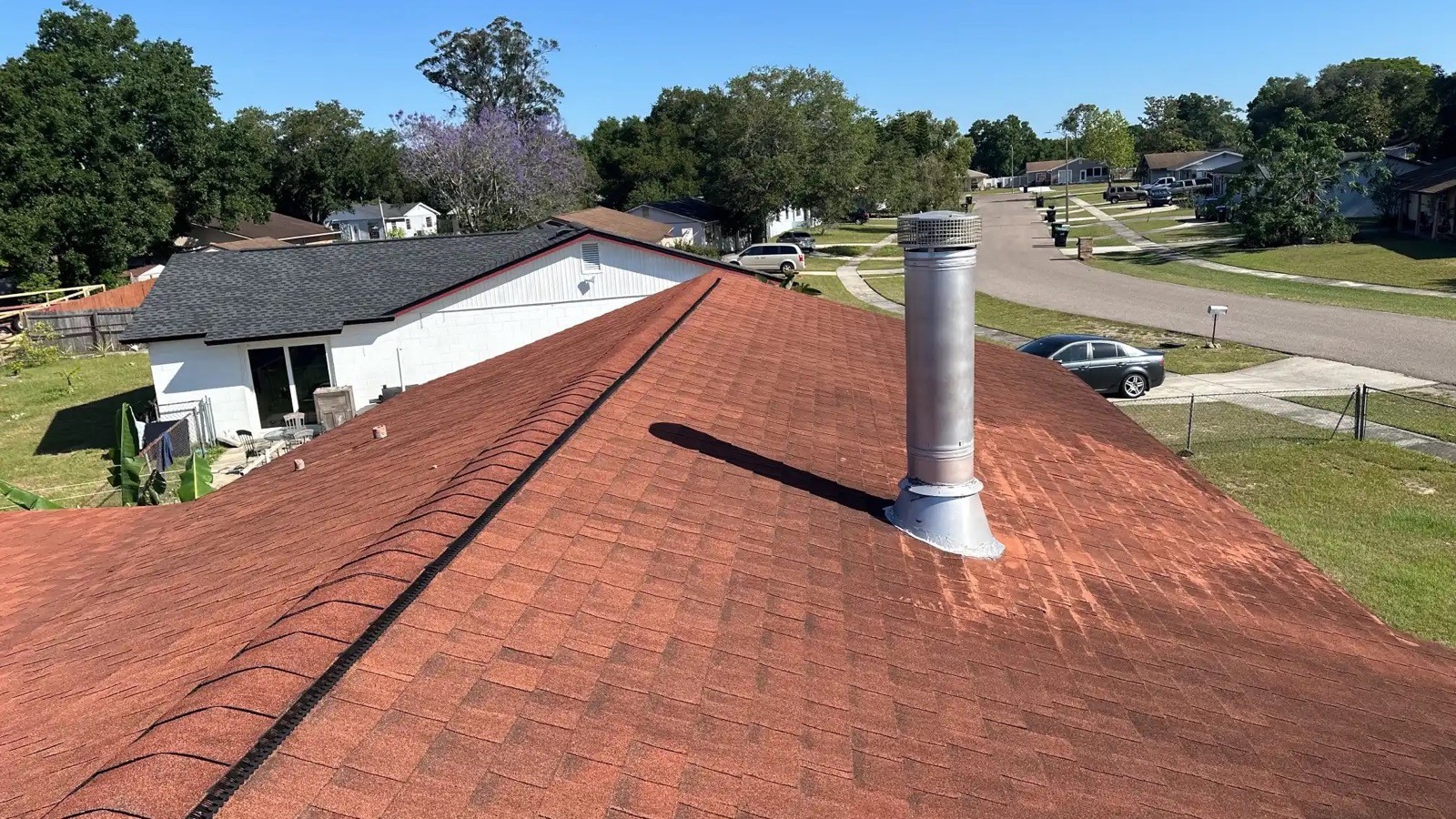
If your roof starts leaking during a storm, keep everyone away from the wet area, move belongings only when you can do so without crossing water, and place a stable container under an ordinary drip. Do not climb onto the roof. Do not touch switches, fixtures, cords, or the electrical panel if water is nearby. Leave a room with a sagging ceiling, falling material, sparks, smoke, or a burning smell and contact the appropriate emergency service or utility from a safe place.
Once the immediate area is safe, take photos from a dry location and note when the leak began. A roofer can inspect the roof after weather and site conditions permit safe access. The visible drip marks where water appeared inside; it does not identify the entry point or prove whether repair or replacement is appropriate.
Use this five-step order
- Protect people. Keep children and pets out of the affected area. Move to a dry room if water is near electricity or if ceiling materials look unstable.
- Avoid the roof and attic. Wind, rain, lightning, wet surfaces, and concealed damage make access unsafe during a storm.
- Contain an ordinary drip from a dry position. Place a bucket or plastic bin on a stable surface. Add towels around it for splash, and check the container before it overflows.
- Document what you can see. Photograph the drip, stain, nearby wall or ceiling, and affected belongings without entering a hazardous area.
- Plan the follow-up. After conditions allow safe access, arrange a professional evaluation of the roof and the route water may have taken.
This sequence is for a manageable interior leak. It is not a substitute for fire, electrical, structural, or medical help.
Decide whether to contain, leave the room, or leave the home
Use the most cautious row that matches what you see.
| What you observe | Safer immediate action | Who may need to help |
|---|---|---|
| A steady drip into an open area, with no electrical fixture or sagging material nearby | Keep people clear, place a stable container from a dry position, and monitor from outside the splash area | Roofing professional after conditions permit safe access |
| Water near a light, outlet, appliance, cord, breaker panel, or standing water | Do not touch the device, switch, panel, or water. Leave the affected area | Emergency service or electric utility if there is immediate danger; qualified electrician for electrical assessment; roofer for the roof source |
| A ceiling that bulges, sags, cracks, sheds material, or makes movement sounds | Do not stand beneath it or puncture it. Close off and leave the room | Emergency service if collapse appears imminent; qualified building professional and roofer when access is safe |
| Sparks, smoke, fire, burning odor, downed power lines, major structural movement, or someone injured | Leave the danger area and follow emergency instructions | 911 or the responsible utility from a safe location |
Do not diagnose electrical or structural safety from a webpage. If you are unsure whether an area is safe to enter, stay out of it.
Stay off the roof, and be cautious about the attic
A wet roof is not a safe place to search for a leak. During a Florida thunderstorm, the roof can combine slick surfaces, wind, lightning, loose material, and damage that is hard to see. A tarp, sealant, or loose shingle is not worth a fall or lightning exposure. Wait for a qualified professional to decide when roof access is safe.
The attic is not an automatic safe alternative. Water can reach wiring, insulation can hide framing and footing, and the access ladder or ceiling below may be wet. Do not enter if you would cross water, touch wet materials, move near wiring, or step away from a secure walking surface. Notes and photos from the occupied room are enough to begin the later conversation.
The National Weather Service advises people indoors during lightning to avoid electrical equipment and plumbing because lightning can travel through wiring and pipes. If the storm is producing thunder, postpone nonessential work around connected equipment and plumbing until the storm has passed.
Contain water without creating a second hazard
For an ordinary drip in a safe, open area, choose a container with a wide base and enough capacity that it will not fill at once. Place it from dry flooring. Keep towels flat around the container so they do not become a trip hazard. Move furniture, rugs, electronics, and paper items only if the route is dry and the items can be handled without standing beneath damaged ceiling material.
Check the room from its entrance. Water can travel above a ceiling and appear away from the point where it entered the roof. Watch for a stain that spreads, a new drip, softened drywall, peeling paint, or a change in the ceiling shape. If the ceiling begins to sag or shed material, leave the room instead of trying to drain, brace, or open it.
Avoid improvised interior repairs during the storm. Screws, nails, probes, and cuts can contact concealed wiring or release water and damaged material. Fans, wet vacuums, extension cords, and other powered equipment also introduce risk when electrical safety has not been established.
Handle water near electricity as an electrical hazard
Water near a recessed light, ceiling fan, outlet, appliance, cord, or service panel needs a different response than a drip into the middle of an empty room. Keep your hands off the switch and device. Do not wade through standing water to reach a breaker. CDC guidance for storm-water reentry warns against turning power on or off or using electrical equipment while standing in water.
You may already know which breaker serves the affected area, but this is not the time to test a circuit or make a guess from a wet location. Move people away and contact the electric utility, emergency service, or a qualified electrician as the condition warrants. A roofing assessment addresses how water entered the building; it does not replace an electrical safety assessment.
Call 911 from a safe location for fire, smoke, sparks, a burning smell, an injury, a downed line, or an immediate threat to life or property. DeSantis Roofing does not promise emergency dispatch through this article.
Document the leak without trying to diagnose it
Good documentation gives the later inspection a timeline. It does not require roof access or a theory about the cause.
Record these details from a safe, dry position:
- the date and approximate time you first saw water;
- whether the water was dripping, running, or only staining the surface;
- the room and the location within the room;
- whether wind direction or rainfall intensity seemed to change the leak;
- photos or short video showing the affected ceiling, wall, floor, and belongings;
- earlier stains, repairs, roof work, or leaks you know about;
- changes after the rain slowed or stopped.
Photograph wide context and a closer view. Do not move into a dangerous area to get a better angle. Preserve original files rather than writing conclusions onto the images.
A ceiling stain may sit below the entry point, or water may have followed decking, framing, fasteners, or other roof details before it became visible. That is why the article does not label a missing shingle, flashing, vent, valley, or roof age as the cause. A condition-based roof inspection can connect interior evidence with exterior and roof-system observations.
After the storm, dry the interior and arrange the right evaluation
Wait until the storm has passed and authorities have not restricted access. Before using fans, dehumidifiers, wet vacuums, or other powered equipment, make sure the electrical conditions are safe. CDC guidance recommends drying wet items within 24 to 48 hours when possible to reduce the chance of mold growth. Materials that cannot be dried, a large wet area, contaminated water, or visible mold may require help beyond the roofing scope.
Keep the container in place while the drip continues, and empty it before it becomes hard to lift. Separate wet items from dry belongings when you can do so safely. Do not paint over a stain or close wet material inside a repair before the moisture source and affected materials have been assessed.
The next roofing step depends on what is found:
- Roof repair may be the appropriate path when an inspection identifies a repairable source and the surrounding system can support that scope.
- A roof inspection is the decision path when the source, extent, or roof condition is not yet clear.
- Storm damage roofing is the relevant service path when the concern follows wind, hail, falling debris, or another storm event and the property needs a condition-based assessment.
- Roof replacement should not be concluded from one interior drip. The broader roof condition, extent of damage, repair history, and written scope should support that decision.
What a useful professional assessment should answer
A useful assessment separates observations from conclusions. The roofer should consider where water appeared inside, how it may have traveled, what roof details lie above or upslope, and whether weather or access limits the first visit.
Ask for clear answers to these questions:
- What conditions were observed inside and on accessible roof areas?
- What is confirmed, and what remains concealed or uncertain?
- Is the proposed work temporary, diagnostic, or intended as the repair scope?
- What materials and roof areas are included in the written scope?
- Could wet decking, insulation, drywall, or electrical components require another trade?
- What would cause the scope to change after work begins?
Do not assume that an active leak means the whole roof must be replaced. Do not assume that a small stain means the problem is small. The inspection needs to support the recommendation.
Prepare for the next Florida storm
After the leak source and wet materials have been addressed, save the inspection notes, written scope, photographs, and completed-work records together. Mark the location where water appeared inside. During later rain, check that area from a safe position for a returning stain or odor.
Before storm season or when severe weather is forecast, clear ordinary indoor walkways, know where pets will stay, keep containers and a flashlight accessible, and store important roofing records where you can reach them without entering an attic or wet room. Do not wait until thunder begins to unplug equipment or work around plumbing; follow National Weather Service indoor lightning guidance.
Preventive planning cannot guarantee that a roof will not leak. It can make your response calmer and give the professional who evaluates the property better information.
Talk with DeSantis Roofing after the area is safe
If your Florida home has an active or recent roof leak, contact DeSantis Roofing with the room affected, when you first saw water, and any photos taken from a safe location. The team can discuss the appropriate evaluation path. This CTA does not promise emergency response, a diagnosis by phone, or an insurance outcome.
Frequently asked questions
What should I do first if my roof starts leaking during a storm?
Move people and pets away from the wet area. Do not touch electrical devices or switches near water, and do not climb onto the roof. If the area has no electrical or ceiling-stability warning signs, place a stable container under an ordinary drip from a dry position. Leave the room if the ceiling sags, material falls, or water is near electricity.
Should I turn off the breaker when water is near a light fixture?
Do not touch a breaker panel or cross standing water to reach it. Keep people out of the area and contact the electric utility, emergency service, or a qualified electrician as the condition warrants. Call 911 from a safe location for sparks, smoke, fire, burning odor, injury, or another immediate danger.
Should I puncture a bulging ceiling to drain the water?
No. A bulging or sagging ceiling can release water and building material without warning, and wiring may be concealed above it. Leave the room, keep others out, and seek appropriate professional help.
Can I tarp the roof while it is still raining?
Do not climb onto a wet roof or work outside during an active storm. Wind, rain, lightning, debris, and concealed roof damage make DIY access unsafe. A qualified professional should decide when conditions permit roof access and whether a temporary covering is appropriate.
Does the room where I see the drip show where the roof is damaged?
Not always. Water can travel along roof decking, framing, fasteners, or other components before it appears on a ceiling or wall. Document the interior location, but let the inspection trace the likely route and distinguish confirmed conditions from assumptions.
Does a storm leak mean I need a roof replacement?
No. One leak does not establish the repair scope. The source, affected area, roof condition, prior repairs, and condition of surrounding materials all matter. Ask for an inspection and written scope before deciding between repair and replacement.
How soon should wet materials be dried?
CDC guidance recommends cleaning and drying or removing wet items within 24 to 48 hours when possible to help prevent mold growth. Use powered drying equipment only after electrical conditions are safe. Extensive water, contaminated water, materials that cannot be dried, or visible mold may require a qualified cleanup professional.
What information should I give a roofer?
Share when the leak began, where water appeared, how it changed during the storm, prior leak or repair history, and photos taken from a safe place. Ask the roofer to separate visible findings, concealed uncertainties, and the proposed written scope.