321-501-6220



A useful Florida roof-maintenance routine combines safe ground-level checks, clear drainage, control of nearby tree growth, and professional review when something changes. Check the roof and attic areas on a regular schedule, before storm season, and after severe weather. Keep records so a new stain, shifted tile, or loose edge can be compared with an earlier condition.
Stay off the roof. Wet surfaces, heat, steep slopes, and fragile tile make roof walking unsafe, and foot traffic can damage material that looked sound from the ground.
A Simple Maintenance Schedule
Use recurring calendar reminders instead of waiting for a leak. The Florida Department of State’s property guidance recommends roof reviews in spring and fall, with added checks before storm season. Your roof type, tree cover, drainage, prior repairs, and recent weather may justify a different cadence.
| Time | Homeowner check | Arrange professional help when |
|---|---|---|
| Spring | Look for changes after cooler-season winds and clear visible drainage debris | Roofing, flashing, gutters, or interior areas look different from your last record |
| Before storm season | Confirm gutters and downspouts are clear; look at roof edges, soffits, vents, and nearby branches | A component is loose, a branch contacts the roof, or an older concern remains unresolved |
| After severe weather | Walk the property from safe ground and check rooms below the roof | You find a new exterior change, stain, drip, debris impact, or damaged gutter |
| During ordinary rain | Watch gutter flow and check known interior trouble spots | Water spills behind gutters, drainage backs up, or moisture appears indoors |
| Any time work occurs near the roof | Record who accessed the roof and which area they used | A new penetration, displaced material, or leak appears after the work |
Two consistent reviews provide a useful baseline, but do not delay an inspection when water enters or the roof changes between scheduled checks.
Your Ground-Level Roof Check
Choose daylight and dry conditions. Walk around the house only where the ground is stable and free of electrical hazards, fallen limbs, or loose material. Use binoculars or camera zoom.
Look for:
- Missing, lifted, curled, cracked, or shifted roofing
- An uneven ridge, roof edge, or roof plane
- Loose metal at eaves, walls, chimneys, or other transitions
- Debris gathered in valleys or against roof features
- A detached gutter, downspout, fascia, or soffit panel
- A vent, skylight, antenna mount, or other penetration that looks different
- Dark streaks, rust-colored runoff, or a new patch of discoloration
- Branches touching or hanging over the roof
Take one wide photo of each side of the house from the same location during every routine check. Close photos can capture a concern, while the repeated wide views make changes easier to spot.
Do not lift shingles, reset tiles, pull material from a valley, or apply sealant from a ladder. A safe observation is enough to start a professional conversation.
Keep Water Moving Away From the Roof
Leaves, twigs, seed pods, and roofing debris can block gutters, downspouts, valleys, drains, and scuppers. Backed-up water may overflow onto fascia, soffits, walls, or the ground beside the home. On a low-slope roof, poor drainage can leave water standing around seams and penetrations.
Watch the drainage system during ordinary rain from a protected location. Water should reach the downspout without spilling behind the gutter or collecting at an outlet. After rainfall, photograph persistent ponding that you can see safely from a window or the ground.
Clean only the areas you can reach without climbing onto the roof or leaning over an unsafe ladder. A gutter service or roofing professional can handle elevated debris and check whether misalignment, a blocked outlet, or a roof-edge condition contributes to overflow.
Manage Trees Without Damaging the Roof
Overhanging branches drop leaves and twigs into valleys and gutters. A branch that touches roofing can rub against the surface, while dead or weak limbs can fall during wind.
Use a qualified tree professional for limbs above the house. Do not drag cut branches across roofing or let a worker use the roof as a staging area without a plan to protect it. After tree work, check the visible roof surface and drainage areas for debris or impact.
Tree removal is not a roofing repair. If a limb strikes the roof or leaves a visible change, arrange a roof inspection once the site is safe.
Check the Attic and Ceilings
Interior checks can reveal moisture before a ceiling stain grows. Enter only an attic area with safe access and a proper walking surface. Do not step on insulation or between framing members, and stay out if wiring, heat, pests, or wet materials make the area unsafe.
Look and smell for:
- New staining on accessible decking or framing
- Damp insulation or water marks around a penetration
- Rust on fasteners or metal components
- A musty odor that was not present before
- Daylight at an opening that does not appear intentional
- Water marks, peeling paint, or soft drywall in rooms below the roof
Timing helps. Note whether moisture appears during wind-driven rain, after a long steady rain, or during dry weather. Plumbing, HVAC equipment, windows, and condensation can produce symptoms that resemble a roof leak, so avoid deciding on the source before it is traced.
Treat Roof Openings and Edges as Maintenance Priorities
Walls, chimneys, skylights, plumbing vents, valleys, roof edges, and changes in slope rely on flashing and seals to direct water. These areas deserve attention during a professional review because a small separation can create a water path.
Soffits, fascia, ridge vents, and other ventilation components also need to remain secure and unobstructed. If an edge piece or vent looks loose, ask the roofer to check its attachment and the surrounding material rather than replacing the visible piece alone.
Roof-mounted solar equipment, antennas, and HVAC work can add penetrations or foot traffic. Keep the installer’s records, note the access route, and arrange a roof check when work alters a mounting point or flashing detail.
Match Care to the Roofing Material
Maintenance methods differ by roof system. Use the manufacturer’s instructions for the installed product and avoid a one-method-fits-all cleaning service.
Asphalt shingles
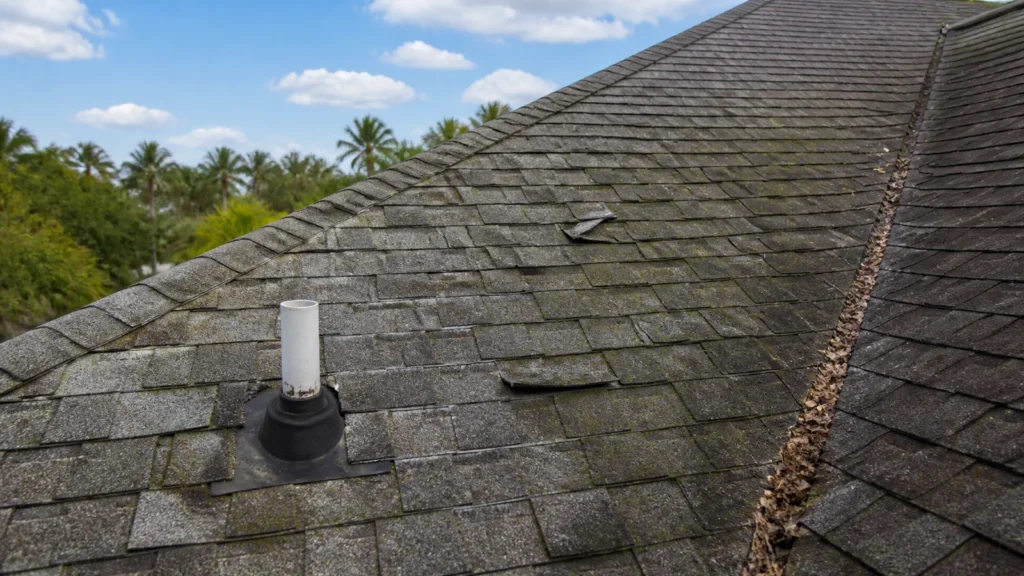
Check for missing or unsealed tabs, curling, cracks, exposed fasteners, and debris trapped at valleys or roof openings. Granules near a downspout can come from more than one cause; photograph the amount and location rather than treating it as a diagnosis.
Do not apply a field coating or “rejuvenator” without written approval from the shingle manufacturer. The Asphalt Roofing Manufacturers Association advises against coatings applied over installed asphalt shingles because they may affect the roof assembly’s performance characteristics.
Tile
Look for cracked, slipped, or missing pieces from the ground. Avoid walking on tile. A misplaced step can crack a tile or disturb pieces around it. A professional should also consider the underlayment and flashing, because tile is only one part of the water-shedding system.
Metal
Watch for loose trim, backed-out exposed fasteners where that fastening method is used, surface damage, corrosion, and debris held in valleys or panel profiles. A professional can determine whether a fastener, sealant, flashing, or panel condition needs work.
Low-slope membranes
Check visible drains and scuppers for blockage, and note ponding, open seams, bubbles, punctures, or changes around rooftop equipment. Do not sweep standing water toward an unknown outlet or apply a patch product without identifying the membrane and compatible repair method.
Skip Shortcuts That Can Create More Work
Pressure washing can damage roofing or force water into laps and openings. Harsh chemicals may conflict with product instructions, landscaping needs, or runoff requirements. Choose a cleaning method only after identifying the roof material and reviewing the manufacturer’s guidance.
Surface caulk can hide a transition without rebuilding the intended water path. If sealant has failed more than once, ask what component or flashing detail lies underneath it.
Roof coatings and broad “tune-up” packages also deserve specific questions. Ask which product will be used, whether the roof manufacturer permits it, which exact conditions it addresses, and what preparation is required. Decline work described only as “sealing the whole roof.”
Keep a Roof Record
A simple folder can improve every maintenance and repair conversation. Save:
- Installation date and available product information
- Contractor, permit, and inspection records
- Manufacturer care instructions
- Photos from the same ground-level views
- Dates and locations of stains, leaks, or storm changes
- Cleaning, tree-work, solar, HVAC, and antenna records
- Repair proposals, completion photos, and invoices
After someone works on the roof, record the area, materials, and reason for the work. A future evaluator can compare the current condition with those records instead of relying on memory.
Know When Maintenance Becomes an Inspection Question
Arrange a professional inspection when you see an active or recurring leak, shifted roofing, a damaged penetration, loose edge material, persistent drainage trouble, a change in the roof plane, or storm debris on the roof. Schedule one before storm season if an existing concern has not been resolved.
A useful inspection should identify the areas examined, conditions found, photographs taken, and any limits on what could be seen. If work is recommended, ask for a written scope that names the affected component, materials, exclusions, and concealed conditions that could change the price or approach.
Read the Florida Roof Inspection Guide for questions to ask and what a professional evaluation should cover. DeSantis Roofing also offers roof inspection services when you need a property-specific assessment.
Keep the Routine Manageable
Put two roof checks on your calendar, review the property before storm season, and repeat the check after severe weather. Keep drainage clear through safe access, manage branches above the roof, and save a small set of dated photos.
If you find a change you cannot evaluate from the ground, stop there. DeSantis Roofing can inspect the roof and explain whether it needs maintenance, roof repair, or another next step.