321-501-6220


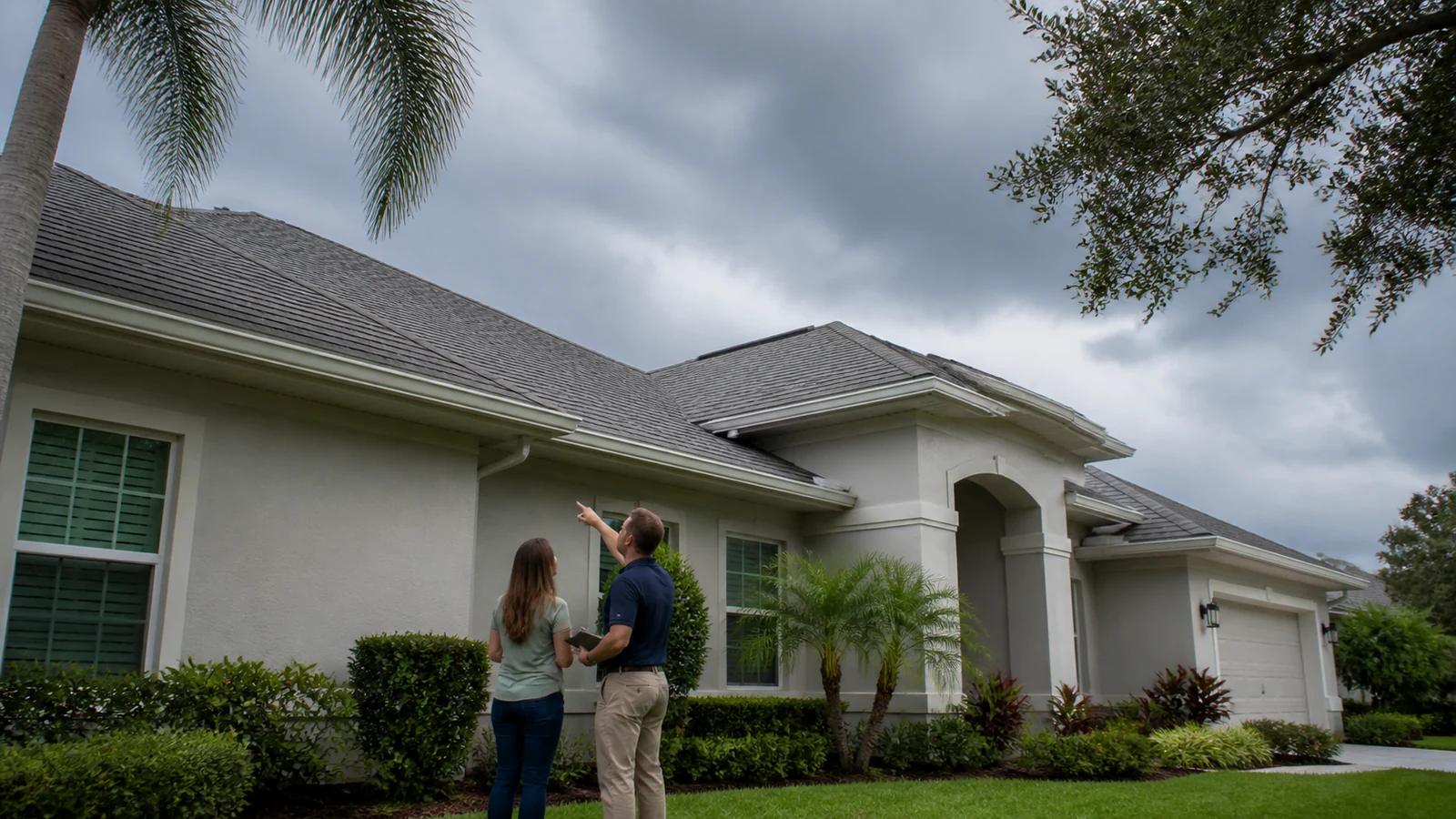
Prepare while the forecast is quiet. Check the roof and attic from safe locations, clear drainage, deal with overhanging or damaged branches, photograph the property, and arrange an inspection if you see wear, loose materials, or signs of water. Finish needed work before a storm watch puts contractors and supplies under pressure.
No checklist can make a roof storm-proof. It can help you find conditions that deserve attention and give you a clear record of the home before severe weather arrives.
Start Before a Storm Is in the Forecast
The Atlantic hurricane season runs from June 1 through November 30, though storms can form outside those dates. Set a spring reminder for roof preparation instead of waiting for the first named storm.
Early planning leaves time to inspect a concern, compare a written scope, order matching materials, and complete work in safe weather. Once tropical-storm-force winds approach, exterior work and roof access become dangerous.
Use three triggers for a pre-storm review:
- You have not had the roof checked since the last severe storm or major roof work.
- You can see a change, such as displaced roofing, loose edge metal, a damaged gutter, or a new ceiling mark.
- Your records are incomplete and you do not know the roof’s age, material, repair history, or installation details.
Make a Safe Ground-Level Check
Walk around the home in daylight and stay on firm ground. Binoculars or a phone camera with zoom can help you see the roof without using a ladder. Look at each slope from more than one side when neighboring buildings and trees allow.
Watch for:
- Missing, lifted, cracked, slipped, or uneven roofing
- Loose ridge pieces or metal along the roof edge
- Flashing that looks displaced around a wall, chimney, skylight, or vent
- Branches touching the roof or debris collecting in a valley
- Gutters pulling away from the fascia or downspouts that have come loose
- Sagging areas or a roofline that appears different from earlier photos
- Stains, damp drywall, peeling paint, or musty odors inside the home
These observations identify questions for an inspection. They do not reveal the condition of underlayment, fasteners, decking, or concealed flashing.
Do not walk on the roof, lift shingles or tiles, apply sealant, or lean a ladder against a gutter. Tile can crack under foot, wet roofing can be slippery, and a surface weakened by moisture may not look unsafe from below.
Give Water a Clear Way Off the Property
Leaves, seed pods, and branches can obstruct gutters, roof drains, scuppers, and valleys. Water that cannot follow its intended path may overflow behind a gutter, collect on a low-slope section, or run toward fascia and walls.
Check downspout outlets from the ground and make sure they discharge away from the foundation where the property allows. Look for plants growing from gutters, dark overflow marks, detached sections, or water spilling over the edge during ordinary rain. Hire someone with the right access equipment when clearing debris requires ladder or roof work.
Drainage also depends on the ground around the house. Clear storm drains and swales that you are responsible for, and do not stack storm supplies where they block an outlet.
Reduce Hazards Around the Roof
Loose outdoor objects can become wind-borne debris. Bring in patio furniture, planters, umbrellas, decorations, grills, tools, and lightweight storage items before conditions deteriorate. Secure items that cannot be moved indoors according to the manufacturer’s instructions.
Inspect trees for dead, cracked, or hanging limbs. A qualified tree professional should handle branches above the roof, near power lines, or beyond safe reach. Cutting a large limb without a controlled plan can damage the roof you are trying to protect.
Satellite dishes, antennas, solar equipment, and other roof-mounted components need secure, weather-resistant attachments. Do not tighten, remove, or alter those attachments yourself. Ask the installer or an appropriate contractor to evaluate a concern while the weather is calm.
Know What a Pre-Storm Roof Inspection Should Cover
A useful inspection connects visible conditions to the roof system. The scope will vary by property, but it may include the roof covering, ridges, edges, valleys, flashing, penetrations, drainage, visible ventilation components, prior repairs, and accessible attic areas.
Ask the inspector to explain:
- Which areas were examined and which could not be accessed
- Whether any roofing, flashing, edge metal, or drainage component needs repair
- Whether interior or attic signs point to a moisture concern
- Which conditions need prompt work and which can be monitored
- Whether a repair will disturb surrounding materials
- What photographs and written details will come with the findings
A wind-mitigation inspection serves a different purpose from a roof-condition inspection. If you need documentation for an insurer, ask what inspection type and form the insurer requires. A roofer can describe roof conditions, while the insurer decides how policy terms apply.
DeSantis Roofing’s roof inspection services can help when you need a property-specific condition review before storm season.
Get Needed Repairs in Writing
If the inspection finds a problem, ask for a written scope that names the area, materials, removal, installation details, cleanup, and any condition that could change the work after materials come off.
Pay close attention to roof edges, wall intersections, penetrations, valleys, and earlier patches. A surface coating or bead of sealant may hide a gap without rebuilding the detail that directs water. The contractor should explain how the proposed repair will connect with the surrounding roof.
Leave enough time for permits when they apply, product availability, and safe working weather. Avoid last-minute offers to “storm-proof” a roof with unplanned fasteners, adhesives, coatings, or attachments. Any change to the roof should match the assembly, product instructions, and applicable code.
Build a Before-Storm Roof Record
Take wide photos of every roof slope from the ground, then photograph visible details such as gutters, roof edges, walls, ceilings, and attic areas you can reach without stepping off a safe platform. Keep the original files with their dates.
Store these records together:
- Roof installation contract, permit information, and inspection documents
- Manufacturer and product information, if known
- Repair invoices and photos
- Reports from roof, home, or wind-mitigation inspections
- Dates and descriptions of solar, HVAC, antenna, or other rooftop work
- Current insurance policy and the insurer’s contact information
- Contact details for a roofer, tree professional, electrician, and utility provider
Review the insurance policy with your insurer or licensed insurance professional before storm season. Confirm the process for reporting damage and protecting the property after a loss. Do not rely on a contractor to interpret coverage or promise a claim result.
When a Storm Watch Is Issued
Roof work should already be complete. Shift your attention to personal safety and official instructions.
- Bring loose outdoor items inside or secure them.
- Close and protect openings with the approved system for your home.
- Charge phones and backup batteries.
- Keep roof records, insurance information, and emergency contacts where you can reach them.
- Follow National Hurricane Center updates and local emergency-management instructions.
- Evacuate when local officials order it.
Do not climb onto the roof to make a last-minute adjustment. Do not work outside once winds or lightning make conditions unsafe.
A Simple Pre-Storm Decision Guide
| What you find | Next step |
|---|---|
| No visible changes and records are current | Save new baseline photos and complete normal property preparation |
| Debris or blocked drainage that requires roof or ladder access | Arrange safe professional clearing before severe weather |
| Loose, missing, cracked, or displaced roofing | Request an inspection and written repair scope |
| A new stain, damp insulation, or recurring moisture | Schedule a roof inspection before the next storm |
| A damaged limb above the roof or near a power line | Contact a qualified tree professional or the utility |
| A storm watch or warning is active | Stop roof work and follow official safety instructions |
After severe weather, wait until authorities say conditions are safe before going outside. Our post-storm roof damage checklist covers that separate step.
Prepare Now, While You Have Time to Decide
A calm-weather inspection gives you time to understand the roof, approve a specific scope, and complete needed work without storm-day pressure. If you have seen a change or do not know the roof’s current condition, DeSantis Roofing can help you plan the next step.
Frequently Asked Questions
When should I prepare my roof for Florida storm season?
Begin before June 1 and update the check after major weather or roof work. If you find a loose component, interior moisture, or damaged drainage, arrange an evaluation while the forecast is calm.
Can I inspect my roof without climbing onto it?
Yes. Walk the property from safe ground, use binoculars or camera zoom, check ceilings and accessible attic areas, and compare current conditions with older photos. Leave roof access to someone trained and equipped for it.
Does a newer roof still need storm preparation?
Yes. Age alone does not confirm current condition. Debris, later equipment work, drainage problems, or a displaced component can affect a newer roof. Keep installation records and establish a photo baseline.
Should I trim branches over the roof myself?
Only handle work you can perform from the ground without approaching the roof or power lines. Hire a qualified tree professional for large, hanging, elevated, or electrical hazards.
Can a contractor guarantee that my roof will survive a hurricane?
No roof inspection or repair can guarantee how a home will perform in a future storm. A contractor should describe current conditions, needed work, and the limits of the inspection without promising a storm outcome.