321-501-6220


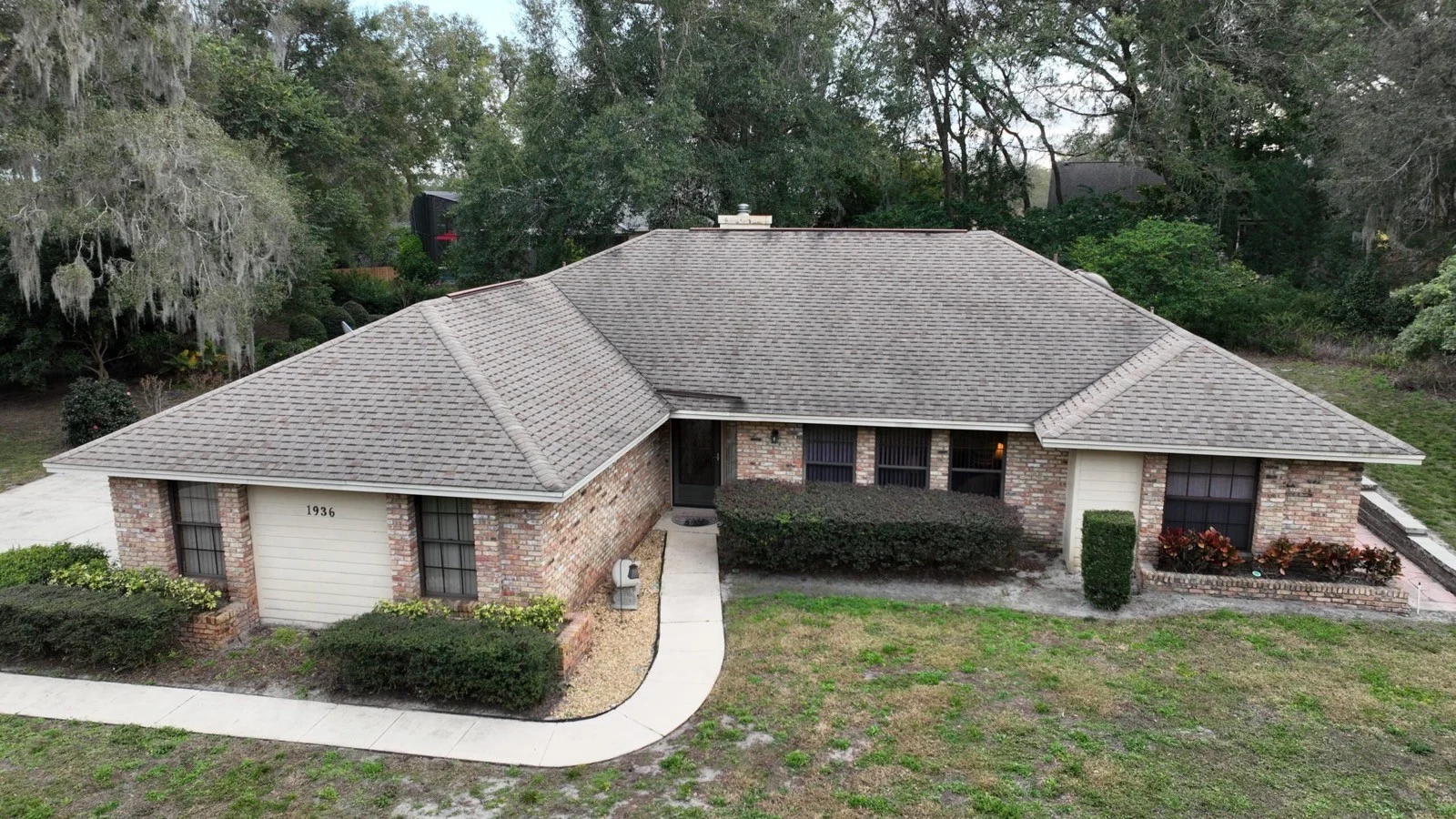
The best roofing material for a Florida home is the one that fits the house, the approved roof assembly, and the owner’s priorities. Architectural asphalt shingles can suit homeowners who want a familiar system and a lower initial investment. Metal can suit a longer ownership plan or a design that benefits from a lighter roof covering. Clay or concrete tile can fit certain home styles, but the structure and attachment plan must support it. The decision also depends on roof slope, deck condition, underlayment, flashing, ventilation, local requirements, and the exact product approval. Start with the existing roof and compare complete written systems, not surface materials alone.
If you are planning a replacement, the residential roofing overview and roof replacement services explain the service decisions that come after this material comparison.
A quick Florida roofing material comparison
Use this table to decide which option deserves a closer look. It does not replace a property evaluation or a product-specific proposal.
| If your priority is… | Material to explore | Questions to ask before choosing |
|---|---|---|
| A familiar steep-slope system with broad style choices | Architectural asphalt shingles | Which shingle, starter, ridge, underlayment, flashing, ventilation, and fastening details are included? |
| A lighter roof covering with several panel or profile options | Metal roofing | Which metal, panel profile, finish, fastener approach, trim package, and approved assembly apply to this roof? |
| A clay or concrete appearance | Tile roofing | Can the structure support the proposed tile system, and how will underlayment, flashings, and tile attachment be handled? |
| A porch, addition, or other low-slope section | A compatible low-slope membrane or system | Which system matches the slope, drainage, transitions, and adjacent steep-slope roof? |
| Less solar heat absorbed at the roof surface | A product with documented reflectance and emittance | What published ratings apply to the exact color and product, and how do insulation and ventilation affect the house? |
Decision note: A material category does not carry one universal wind rating, lifespan, energy result, or warranty. Ask for the exact product, approval, installation method, limitations of use, and written warranty documents.
Compare the whole roof assembly
The visible roof covering gets most of the attention, but water and wind act on the full assembly. A useful proposal identifies the deck, underlayment, roof covering, starter or perimeter details, flashing, vents, penetrations, valleys, ridges, and edges that apply to the house.
Deck condition can change the installation plan. The contractor may not know the condition of concealed wood until the existing covering and underlayment are removed. Ask how the proposal handles deck review, what qualifies as replacement, and how any change will be documented.
Underlayment provides a layer beneath shingles, metal, or tile. The appropriate product and installation depend on the roof covering, deck, slope, approval, and applicable requirements. Flashing needs the same attention. Wall connections, chimneys, valleys, skylights, pipe penetrations, and roof-to-roof transitions can affect the scope no matter which surface material you select.
Ventilation and insulation also affect comfort and moisture conditions in the house. A reflective roof surface can reduce absorbed solar heat, but the result at a specific home also depends on climate, insulation, air sealing, attic conditions, and the heating and cooling system. Compare published product data instead of assuming that every light-colored or metal roof will produce the same result.
Architectural asphalt shingles
Architectural asphalt shingles are a common starting point for steep-slope Florida homes. They come in many colors and profiles, and their weight may make them easier to consider on a broad range of existing structures than tile. The installed roof still needs a compatible underlayment, starter, ridge or hip components, flashing, ventilation details, and the fastening pattern required for the selected system.
Homeowners comparing shingles should look past the sample board. Ask for the manufacturer, product line, color, Florida Product Approval or other applicable approval record, and installation instructions. Confirm whether the proposal includes matching starter and ridge products or another approved detail. Read the limitations of use in the approval rather than relying on a wind-speed phrase in sales material.
A shingle proposal should also explain repairability and matching limits. An available shingle may differ in color, profile, weathering, or dimensions from the existing roof. That difference does not decide whether repair or replacement is appropriate, but it belongs in the written discussion.
The asphalt shingle roofing page owns transactional questions about that material. This article remains a comparison guide.
Metal roofing
“Metal roof” can describe different materials, panel profiles, seams, coatings, fastener arrangements, and trim details. Standing-seam panels, exposed-fastener panels, and metal shingles are not interchangeable. Each proposed system needs its own product documentation and installation plan.
Ask the contractor to identify the metal type, panel profile, seam or fastening method, finish, edge metal, ridge details, penetrations, and transitions. The proposal should also explain the substrate or deck requirements and whether the system calls for battens, underlayment, clips, or direct attachment. A coastal exposure may raise corrosion questions about panels, fasteners, and accessories, but the correct answer must come from the product documents and the property’s exposure.
Metal can be available in reflective finishes. The U.S. Department of Energy recommends comparing solar reflectance, how reflectance holds over time, and thermal emittance when heat gain is part of the decision. Those values belong to the exact surface and color. Bare or dark metal should not receive an automatic “cool roof” label.
The metal roofing services page owns metal-specific transactional intent and property evaluation.
Clay and concrete tile roofing
Tile can complement Mediterranean, Spanish, and other Florida home styles. Clay and concrete products differ, and the finished assembly includes much more than the field tile. Underlayment, battens when applicable, flashings, fasteners or adhesives, hip and ridge details, and broken-tile replacement planning all deserve review.
Weight is a property-specific question. A contractor or design professional needs to determine whether the existing structure and deck fit the proposed system. Avoid accepting a general claim that every house can switch from shingles to tile without further review.
Tile proposals should name the product and attachment method, address the applicable approval, and state how penetrations and transitions will be handled. Ask who will replace tiles damaged during future access and whether matching units are expected to remain available. Tile color and profile may also require approval from a homeowners association or architectural review process.
The material’s appearance may be the reason it enters the conversation. The final choice still needs to work as a documented roof system on the specific house.
Low-slope and mixed-roof homes need a separate system decision
Some Florida homes combine a steep main roof with a low-slope porch, addition, carport, or transition. Shingles, metal, or tile selected for the main roof may not be appropriate for the lower-slope area.
Ask the contractor to identify each roof plane and its slope, then show which system belongs on each section. The proposal should explain how the systems meet, how water drains, and how wall, edge, and penetration details connect. A mixed roof may need two compatible scopes rather than one material applied across every surface.
This distinction also prevents a broad “best material” answer from creating a poor detail at the most vulnerable transition. The drawing or written scope should make each roof area clear.
Apply five Florida filters before selecting a product
1. Product approval and limitations
Florida’s product approval search lets homeowners and contractors look up roofing products by manufacturer, product name, FL number, approval status, and other criteria. An approval record includes conditions and limitations. Confirm that the exact proposed product and assembly fit the property, jurisdiction, roof zone, slope, deck, and installation method.
2. Wind design and perimeter details
Wind pressures vary across a roof and property. Edges, corners, ridges, and attachments require close attention. FEMA guidance on wind-resistant roofs emphasizes the installed system, including fastening, starter details, and a secondary water barrier or sealed roof deck where the selected design calls for it. A material name alone does not establish wind performance.
3. Heat and roof color
Solar reflectance measures how much sunlight a surface reflects. Thermal emittance describes how well it releases absorbed heat. Light or specially formulated “cool color” products may improve those properties, but energy effects depend on the house and climate. Ask for ratings tied to the exact product and color.
4. Structure, slope, and drainage
The roof shape sets practical limits. Tile adds a structural question. Low slopes may require a membrane or another approved system. Valleys, dead-end areas, drainage paths, and roof-to-wall connections can affect the better choice more than a showroom sample.
5. Ownership plans and maintenance
Consider how long you expect to own the home, how you will handle inspections and maintenance, and how easy it may be to access matching repair materials. Avoid using a generic lifespan as the deciding number. Service life varies with product, exposure, installation, ventilation, maintenance, foot traffic, and storm history.
Compare written proposals line by line
Ask each contractor to quote the same roof areas and decision criteria. A low total can reflect a smaller scope rather than a better price.
Use this proposal checklist:
- Exact roof areas, measured scope, and covering to be removed
- Deck review method and written allowance or unit basis for concealed wood
- Underlayment product and installation
- Roof covering manufacturer, product line, profile, and color
- Florida approval or other applicable product documentation
- Starter, ridge, hip, edge, valley, flashing, vent, and penetration details
- Low-slope sections and transitions identified as separate systems
- Property protection, debris handling, cleanup, and closeout documents
- Written exclusions, assumptions, change conditions, and warranty documents
Ask the contractor to mark any item that remains subject to field confirmation. That note makes the proposal easier to compare and reduces the chance that two different scopes look equivalent.
Let roof condition guide repair or replacement
Material research often begins before the homeowner knows whether the whole roof needs replacement. A focused repair may still be reasonable when the concern is limited and the surrounding assembly can support a dependable integration. Replacement may deserve consideration when conditions extend across the roof, repeated repairs have not resolved the issue, materials cannot integrate as proposed, or concealed findings change the responsible scope.
Age can provide context, but it does not decide the answer by itself. An evaluation should connect the recommendation to observed conditions, access limits, and the roof system. The roof inspection services page explains that evaluation boundary.
If replacement becomes the supported path, return to the comparison table with the actual deck, slope, transitions, and written system in view.
Prepare for a material-selection conversation
Bring the property address, any existing roof records, HOA requirements, safe ground-level photos, and a list of priorities. Tell the contractor whether you care most about initial budget, appearance, heat reflectance, maintenance, or a mixed-roof detail. Ask for alternatives to be written as complete systems so you can compare the same roof areas and responsibilities.
DeSantis Roofing Inc. can discuss the roof condition and the material questions that apply to the proposed scope. Share your property and replacement questions when you are ready for a property-specific conversation. For more homeowner education, visit the roofing resource library.
Frequently asked questions
What is the best roofing material for a Florida home?
No single material fits every Florida home. Architectural shingles, metal, and tile can each be appropriate when the roof shape, deck, slope, approved assembly, budget, appearance goals, and maintenance plan support the choice. Compare complete written systems and product approvals before selecting a surface material.
Are metal roofs always better than shingles in Florida?
No. Metal and asphalt shingles include many products and installation methods. The better fit depends on the house, approved system, roof geometry, exposure, budget, appearance, and ownership plan. Compare exact products, attachments, flashings, finishes, and written limitations rather than broad material labels.
Can any Florida home support a tile roof?
A tile proposal should include a property-specific review of the structure, deck, slope, and attachment plan. Clay and concrete tile systems add weight and cannot be assumed to fit every existing home without that review.
Does a light-colored roof lower cooling costs?
A roof surface with documented solar reflectance and thermal emittance can absorb less solar heat. The effect on a home’s cooling use also depends on climate, insulation, air sealing, attic conditions, and HVAC efficiency. Review ratings for the exact product and color instead of relying on color alone.
Which roofing material handles hurricanes best?
A material category does not establish hurricane performance. Wind resistance depends on the tested and approved assembly, deck attachment, underlayment or sealed-deck strategy, fasteners, perimeter and corner details, roof shape, installation, and property-specific design pressures. Ask for the documents that apply to the proposed system.
Should I choose a roofing material based on lifespan?
Use lifespan as one planning factor, not a guarantee. Product, exposure, workmanship, ventilation, maintenance, access, foot traffic, and severe weather can change service life. Compare written product and contractor warranty terms, maintenance expectations, repair options, and total scope.
Do homeowners association rules affect roofing material choices?
They can. An HOA or architectural review process may regulate profiles, colors, or submittal documents. Confirm the current rules for the property before ordering materials, then make sure the approved selection also fits code and product-approval requirements.
What should a roofing material proposal include?
The proposal should identify the roof areas, removal, deck review, underlayment, exact covering, approval documents, fastening or attachment, flashings, edges, vents, penetrations, low-slope transitions, cleanup, exclusions, change conditions, and written warranty documents.