321-501-6220


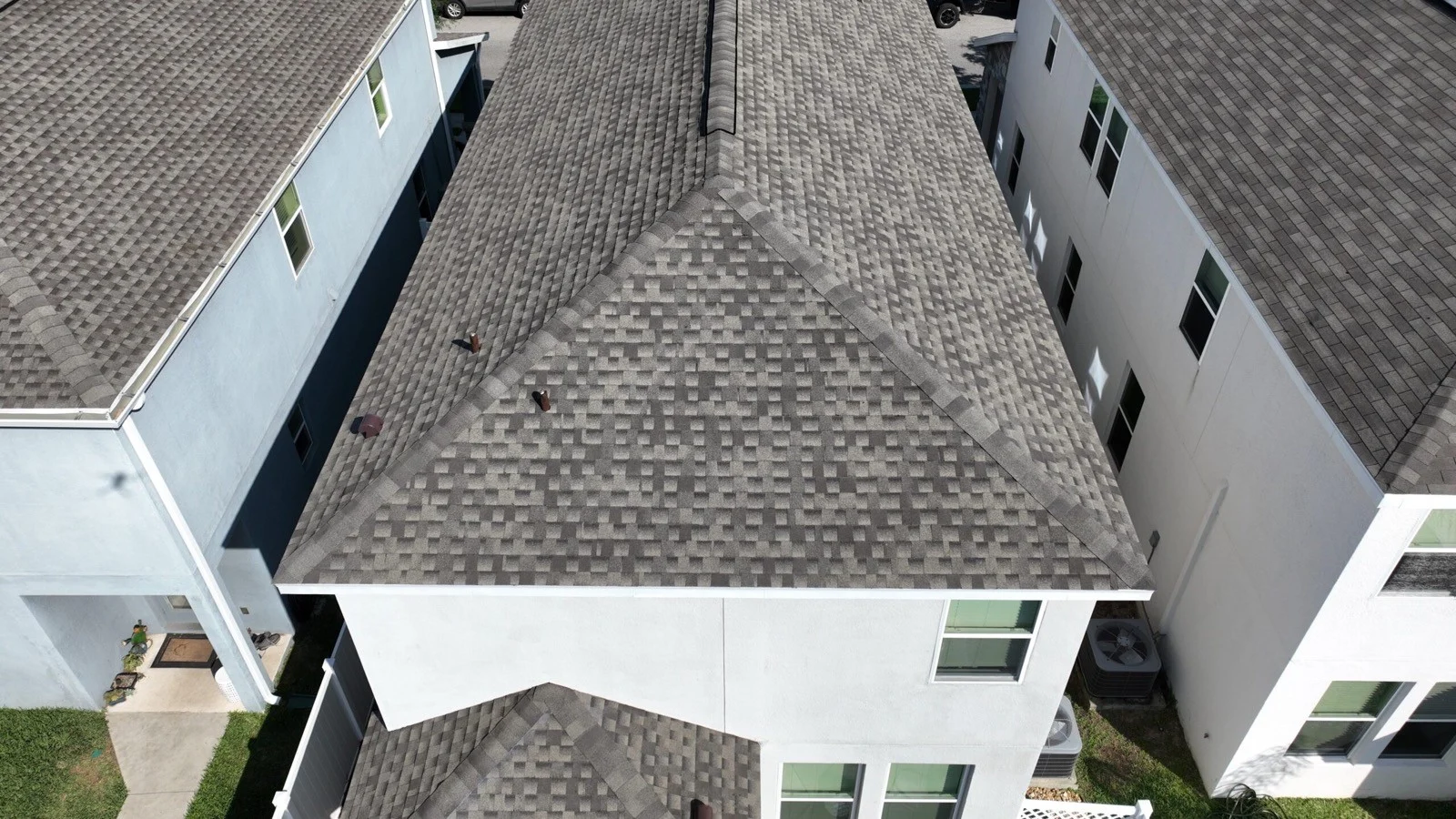
A Florida roof inspection should help you understand what is visible now, what needs closer evaluation, and what decision comes next. Schedule one when you notice a change, after severe weather has passed and conditions are safe, before buying or selling a home, when an insurer requests specific documentation, or while planning repair or replacement work. The right scope depends on your reason for the inspection. Ask in advance which roof areas, interior spaces, photographs, and written findings are included. DeSantis Roofing can provide a property-specific roofing evaluation; this guide helps you prepare without trying to diagnose a roof from the ground.
Quick answer: Write down why you need the inspection, collect roof records, photograph concerns from a safe location, and ask for findings that separate observed conditions from recommended next steps.
First, identify the inspection you need
“Roof inspection” can refer to several different services in Florida. They may look at some of the same components, but they answer different questions. Ask the person requesting the inspection which report or form they need before you schedule anything.
| Inspection or evaluation | Main purpose | What to confirm before scheduling |
|---|---|---|
| Roofing condition evaluation | Understand visible roof conditions and discuss repair, maintenance, or replacement options | Roof areas and interior access included, documentation provided, and whether a written scope follows |
| General home inspection | Review the home’s major systems for a purchase, sale, or condition overview | Whether the roof and attic are accessible and how limitations appear in the report |
| Four-point inspection | Provide information about the roof, electrical, plumbing, and heating or air-conditioning systems for insurance underwriting | The insurer’s form, accepted inspector qualifications, required photos, and delivery deadline |
| Wind-mitigation inspection | Document eligible construction features for an insurer’s review of potential windstorm premium credits | The current insurer form, accepted inspector qualifications, and supporting records you should provide |
| Building-department inspection | Check permitted work at required stages against applicable code and approved documents | Permit status, inspection stages, and who schedules each inspection |
The Florida Department of Financial Services explains that an insurer may request a four-point or roof-specific inspection and that a wind-mitigation inspection serves a separate purpose. A contractor’s roofing evaluation does not automatically replace an insurance form, a home inspection, or a building official’s inspection.
Choose the timing based on a real trigger
A calendar reminder can help you pay attention to the roof, but no single schedule fits every property. Roof material, roof shape, surrounding trees, prior work, weather exposure, access, and the reason for the review can change the useful timing.
Consider arranging a professional evaluation in these situations:
- You see an active interior leak or recurring moisture. Protect the interior without entering a wet attic or climbing onto the roof. Use the Florida storm leak guide for immediate safety steps.
- You notice a new exterior change. A displaced roof covering, damaged edge, loose-looking flashing, debris impact, or altered roofline deserves a closer look. Ground-level observations cannot confirm the cause or full scope.
- Severe weather has passed. Wait until the weather and property are safe. Record what changed and when, then ask what can be evaluated without disturbing the roof.
- You are planning repair or replacement. An evaluation can help define the condition to address before anyone recommends a scope. Read the repair-versus-replacement guide for the decision factors to compare after findings are available.
- You are preparing for a purchase or sale. Confirm whether you need a general home inspection, a roofing evaluation, or both. Each report has a different role.
- An insurer sends a request. Contact the insurer or agent first. Ask for the exact form, deadline, required inspector qualifications, and submission method. DeSantis Roofing does not decide coverage or underwriting outcomes.
- You lack a usable roof record. An evaluation can establish a current visual baseline. It cannot reconstruct an undocumented installation date, hidden assembly, or prior repair history with certainty.
Florida law contains specific provisions for some insurer decisions involving roof age. The current statute defines who may qualify as an authorized inspector for that provision. Your insurer still controls its underwriting requirements, so confirm the request with the insurer before ordering a report.
Check for warning signs without getting on the roof
You can collect useful information from the ground and from normal living areas. Do not use a checklist as a reason to climb a ladder, walk on a roof, enter a wet attic, or touch damaged electrical fixtures.
Inside the home, note:
- active dripping or dampness;
- new ceiling or wall stains;
- peeling paint or a musty odor near a suspected moisture path;
- changes near skylights, vents, chimneys, or other roof penetrations;
- the room, date, weather, and whether the condition has grown or returned.
From a safe position outside, look for:
- roof covering that appears missing, displaced, cracked, or out of line;
- metal edge or flashing that appears loose or changed;
- debris resting on the roof;
- a gutter, downspout, fascia, or soffit that has pulled away or shows a new stain;
- an uneven roofline or another visible change that was not present before.
Different roof coverings show wear and damage in different ways. A shingle, tile, metal, or low-slope roof should be evaluated in the context of its own assembly. A phone photo may help document a change, but it cannot show every layer below the surface or prove where water entered.
The Florida Division of Emergency Management’s Hurricane Retrofit Guide recommends evaluating the roof cover along with the other roof elements. It also separates evaluation guidance by roof-cover type. That approach is more useful than treating every Florida roof as the same system.
Ask what the professional evaluation will cover
Inspection scope varies with the roof, access, weather, and purpose of the visit. Ask for the intended scope in plain language. A roofing condition evaluation may address visible portions of:
- the roof covering, including shingles, tiles, metal panels, or a low-slope membrane;
- ridges, hips, valleys, edges, and transitions;
- flashing around walls, chimneys, vents, skylights, and other penetrations;
- drainage paths, gutters, scuppers, or downspouts where present and accessible;
- sealants, exposed fasteners, trim, coping, or related details where applicable;
- the roofline, fascia, soffit, and other accessible edge conditions;
- attic or interior areas when access is available, safe, relevant, and included;
- visible signs of prior repairs or material changes.
The list describes possible areas of review, not a promise that every component will be accessible or included at every property. Wet surfaces, steep slopes, fragile materials, height, locked spaces, concealed construction, and other hazards may limit an evaluation. Ask the inspector to document those limits instead of treating an unseen area as “clear.”
A condition inspection also differs from inspections performed during permitted reroofing. Florida Building Code training materials describe required roofing inspections during construction that include items such as dry-in, insulation, roof coverings, and flashing. Those staged code inspections do not serve the same purpose as a homeowner’s pre-work condition evaluation.
Prepare a short property file before the appointment
Good records keep the conversation tied to the property. You do not need a perfect history. Gather what you have and label anything uncertain.
Bring or send:
- The reason for the inspection and any deadline.
- Photos or videos taken from a safe location, with dates if available.
- A short timeline of leaks, stains, storm-related changes, or prior work.
- Roof installation, repair, permit, invoice, or product records you already possess.
- The insurer’s exact form or written request if insurance is involved.
- Notes about attic access, locked areas, pets, gates, solar equipment, or other access considerations.
- Questions you want the written findings to answer.
Do not guess at the roof’s age, product, cause of damage, or remaining service life. Mark unknown details as unknown. A clean gap in the record is more useful than an assumption that later gets repeated as fact.
Use these questions during the inspection conversation
Ask questions that connect each observation to evidence and a next step:
- What type of inspection or evaluation are you providing?
- Which roof surfaces, edges, penetrations, drainage areas, and interior spaces are included?
- What could not be accessed or evaluated, and why?
- Which findings are direct observations, and which are interpretations that need more investigation?
- Will the report include labeled photographs and the location of each concern?
- Does any condition need prompt protective work, a repair discussion, monitoring, or replacement planning?
- If you recommend work, will I receive a separate written scope?
- Could another trade or specialist be needed for structural, electrical, HVAC, chimney, solar, or interior concerns?
- If an insurer requested the inspection, does this report use the required form and an accepted inspector?
- What records should I keep after the visit?
Avoid asking for a conclusion that the visible evidence cannot support. An inspection should not promise that a roof will remain leak-free, predict exact remaining life, decide an insurance claim, or guarantee that concealed materials have no damage.
Read the findings before choosing a scope
A useful report tells you what was observed, where it was observed, what could not be evaluated, and what action the inspector recommends discussing. Read the written findings before treating a verbal comment as the final scope.
Sort the findings into four practical groups:
| Finding type | Useful next question |
|---|---|
| No corrective work identified in the reviewed area | What should I document or monitor, and were any areas excluded? |
| Localized condition | Is a roof repair evaluation appropriate, and what adjacent components need review? |
| Broad, repeated, or end-of-service planning concern | What evidence supports a roof replacement discussion, and what would the written scope include? |
| Condition outside roofing scope | Which qualified trade or professional should evaluate it? |
Inspection findings do not make the repair-versus-replacement choice by themselves. The decision also depends on where the problem sits, whether the surrounding assembly can support a durable repair, the extent of repeated concerns, access, material compatibility, and the homeowner’s plans. Ask for options and the evidence behind them.
If you receive estimates from more than one company, compare the same scope. Check whether each proposal identifies the affected area, included materials, excluded work, access assumptions, debris handling, and how changes will be documented.
Keep insurance and contractor decisions separate
Insurance questions can change what paperwork you need, but a roofer cannot promise coverage, payment, renewal, or claim approval. Send policy questions to your insurer or licensed insurance professional.
The Florida Department of Financial Services advises consumers to verify contractor licensing and insurance before allowing a contractor to inspect the property. Use the state’s official license lookup and request current documentation. Avoid pressure to sign before you understand the inspection purpose and proposed scope.
If an insurer orders its own inspection, the insurer chooses the inspector and determines how it will use the findings. If you order a four-point, wind-mitigation, or roof report, confirm the form and qualifications in advance. Keep copies of the request, completed report, photographs, and correspondence.
Talk with DeSantis Roofing about a property-specific evaluation
This guide prepares you for the conversation; it does not diagnose your roof. If you have a visible concern or need roofing information for a repair or replacement decision, review DeSantis Roofing’s roof inspection service and contact the team with the property details you have. Mention any active water entry, insurer deadline, access concern, or report requirement when you reach out.
CTA: Discuss My Roof Inspection Needs
Frequently asked questions
How often should a Florida roof be inspected?
There is no single schedule that fits every Florida roof. Arrange an evaluation when you notice a change, after severe weather when conditions are safe, before a property transaction, when an insurer requests a report, or while planning roofing work. Ask a qualified professional whether your roof type and property conditions call for a recurring schedule.
What does a professional roof inspection include?
Scope varies by roof, access, weather, and purpose. Ask whether the evaluation includes accessible roof coverings, edges, flashing, valleys, penetrations, drainage, attic or interior areas, photographs, and written limitations. Confirm the scope before the appointment.
Can I inspect my roof from the ground?
You can document stains, displaced-looking materials, debris, edge changes, and interior moisture from safe locations. Ground observations cannot confirm hidden conditions or the source of a leak. Do not climb onto the roof to complete a checklist.
Is a roofing evaluation the same as a four-point inspection?
No. A four-point inspection addresses the roof plus the electrical, plumbing, and heating or air-conditioning systems for insurance underwriting. Confirm the insurer’s form and accepted inspector qualifications before scheduling it.
Is a wind-mitigation inspection the same as a roof condition inspection?
No. A wind-mitigation inspection documents specific construction features for an insurer’s review of potential windstorm premium credits. A roof condition evaluation answers different questions about visible roofing conditions and possible next steps.
Will an inspection tell me whether to repair or replace the roof?
Findings provide evidence for that discussion, but the decision depends on the location and extent of the condition, the surrounding assembly, material compatibility, prior work, access, and your plans. Ask for a written scope and the reasons behind each option.
Can a roof inspection guarantee insurance approval or coverage?
No. The insurer applies its policy terms and underwriting rules. Ask the insurer which report, form, inspector qualifications, and deadline it requires. A roofing contractor should not promise a coverage, payment, or renewal outcome.
What should I have ready before a roof inspection?
Prepare the reason for the inspection, safe photos, a timeline of concerns, available roof and repair records, access notes, and any insurer form or deadline. List the questions you want the written findings to answer.